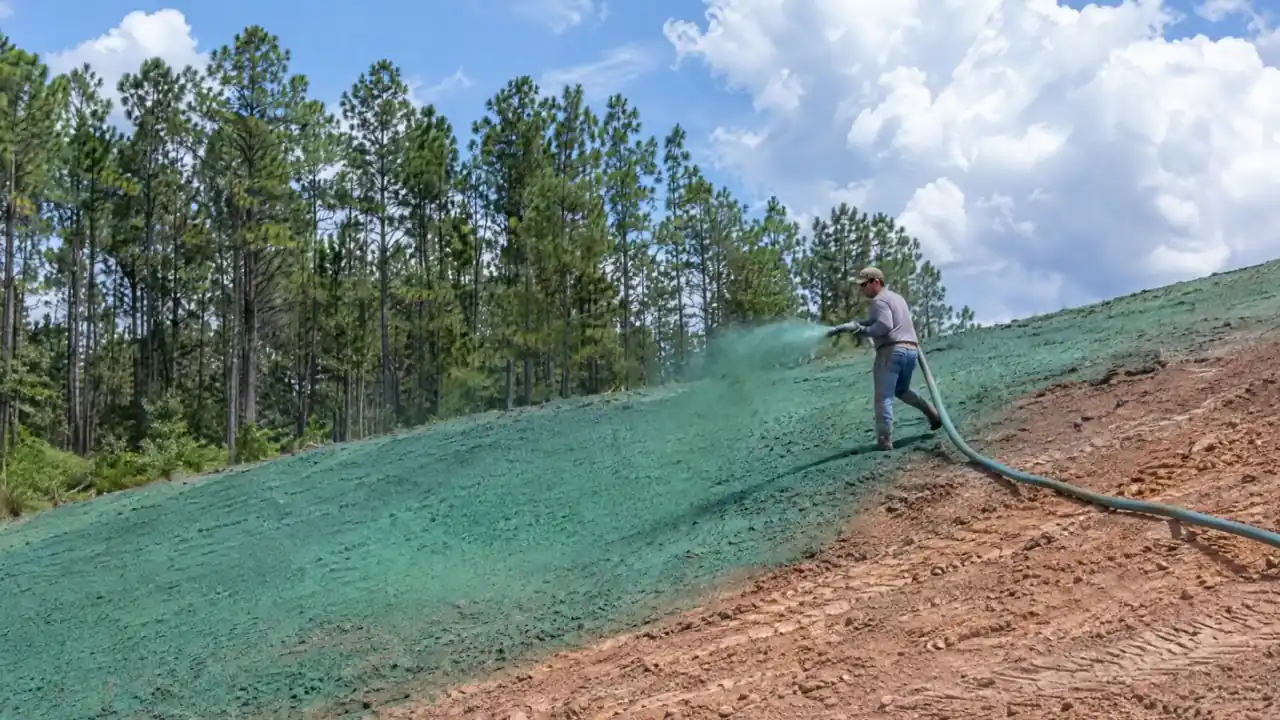
Built for sand, salt and storm season
We hydroseed in a place with 68 inches of rain a year, soils that drain like a sieve and a hurricane season that peaks right after the seeding window closes. Everything we do starts there.
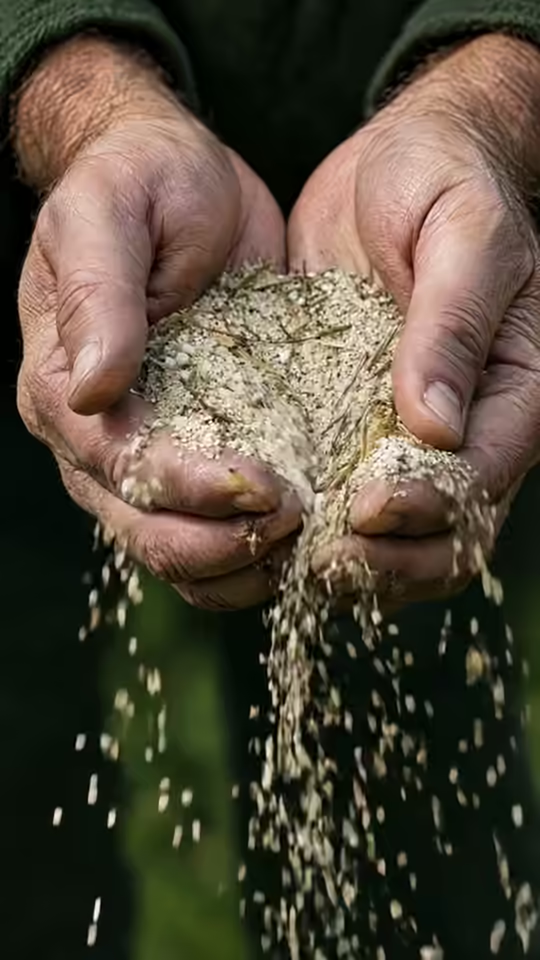
What we believe about hydroseeding on the Gulf Coast
Pensacola Hydroseed plants grass and stabilizes soil across Escambia and Santa Rosa counties. We think the right answer for a site comes from its soil, its slope, its salt exposure and the calendar, not from whatever is in the tank that day, and we would rather tell you sod is the better choice than sell you seed that will not hold.
Northwest Florida is a hard place to grow grass from seed. Lakeland and Troup sands hold very little water. Summer highs average above 90 degrees. The wettest stretch of the year, June through September, overlaps the back half of the seeding window and the front half of hurricane season. A hydroseed job here succeeds or fails on preparation, timing and the first two weeks of watering, so that is where we spend our attention.
How we approach a job
Every quote starts with the ground itself. We look at the soil and recommend a $10 UF/IFAS soil test when pH is a question, because bahia and centipede both yellow in alkaline soil. We look at slope and water flow to decide between standard hydroseed, hydromulch, bonded fiber matrix or erosion blankets. We look at salt exposure and shade before recommending a grass, and at the calendar before recommending permanent seed over temporary cover.
- We match the grass to the site: bahia or centipede inland, common bermuda on salty or high-traffic ground, sod for St. Augustine and zoysia lawns.
- We say so when a site needs bonded fiber matrix or blankets instead of standard mulch.
- We leave every customer with a watering and aftercare plan written for sandy soil.
- We do not plant turf on beach dunes. Dune restoration uses native plants and can require a state permit.
Why this site cites its sources
Most hydroseeding pages online are written for nowhere in particular. Ours are written for Pensacola, and every number on them, from rainfall normals to seeding windows to permit thresholds, links back to a public source: UF/IFAS Extension, the Florida Department of Environmental Protection, FDOT, the USDA soil survey or NOAA. When those sources change, we update the pages. Start with the Pensacola grass guide, the cost guide or the questions page.
Talk to us
Bare ground? Let us see it.
Send the address and what the ground needs to do. We quote the mix and method that fit it.
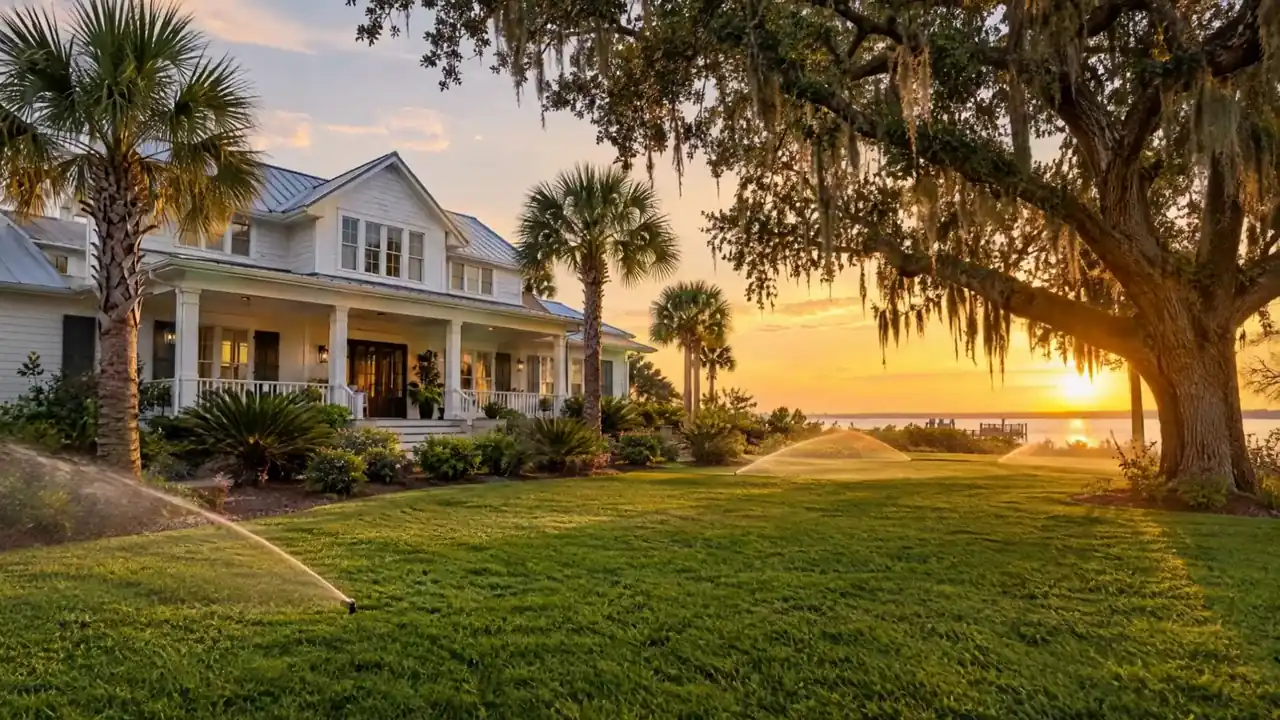
Tell us about the ground
Send the address and what you are trying to grow or hold in place. We look at the site, the soil and the slope, then quote the mix and the method that fit it.