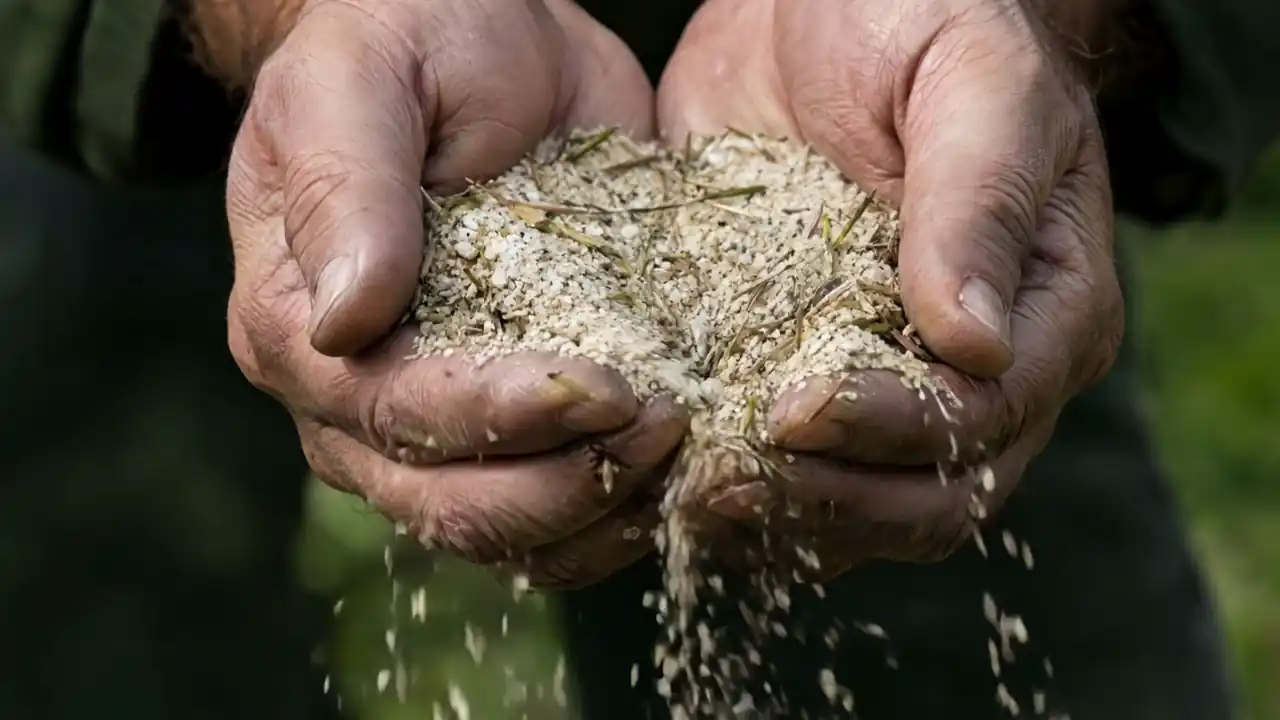
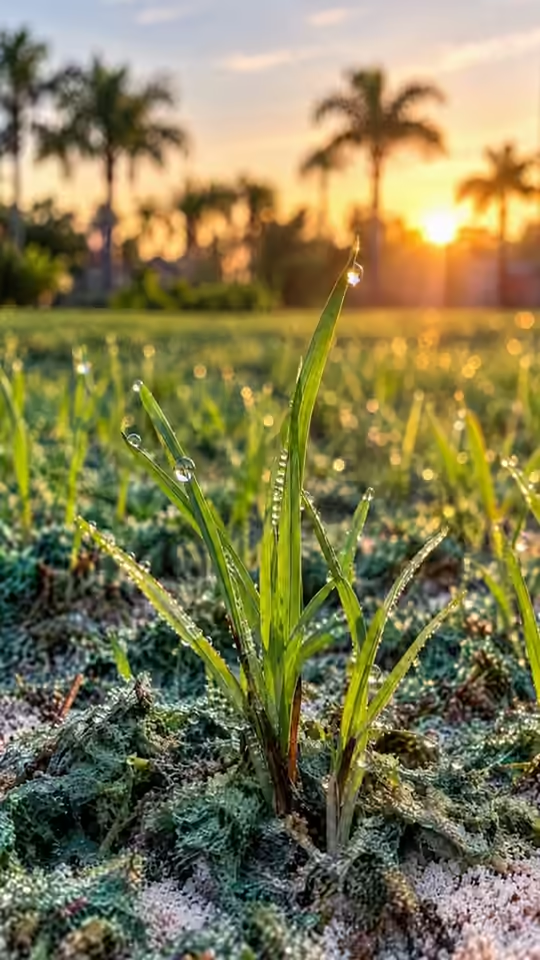
Compare installation methods and costs, understand the preparation needed and choose a planting window before arranging work. These guides help you put the same scope in front of each contractor and decide what to ask.
A Pensacola cost guide from Homeyou puts hydroseeding at about $0.15 to $0.18 per square foot for 2,000 to 10,000 sq ft, and $0.13 to $0.15 for larger areas up to an acre. National guides range from $0.06 to $0.20. Soil prep, slope, grass choice, erosion products, access and watering move a job within those ranges.
Hydroseeding usually costs a fraction of installed sod, with published ranges of about $0.06 to $0.20 per square foot against $0.35 to $0.85 or more for sod. Sod gives immediate ground cover; St. Augustine lawns can also be established with plugs. Hydroseed suits large areas, slopes and bahia, centipede or bermuda lawns.
Compare DIY hydroseeding and contractor installation by their complete scope: seed species, soil preparation, application method, access, watering and follow-up. A hose-end lawn product is not automatically equivalent to a contractor’s specified treatment. For a small patch, ask whether ordinary seeding is sufficient; for difficult ground, start with a site assessment.
Before hydroseeding, agree on the area to seed, the grass, soil preparation, drainage, equipment access and a workable watering plan. Walk the site with your contractor and put those responsibilities in the quote. A green coating cannot repair a drainage problem, remove construction debris or make an unsuitable grass fit the property.
The best time to hydroseed permanent grass in Pensacola is April through early July. Bermuda can start in mid-March once soil reaches 65 to 70°F. The UF/FDOT roadside guide advises against seeding most warm-season grasses after early July, and UF/IFAS calls fall centipede seeding undesirable. From October to early November, annual ryegrass gives temporary cover until spring.
Match the lawn to its soil, sunlight, exposure and intended use. Start with the Florida grass guide, then read the species and soil notes before deciding whether seed, sod or another planting method fits the site.
For hydroseeding in Pensacola, the proven permanent grasses are bahiagrass, centipedegrass and common bermudagrass, with carpetgrass for wet ground. Annual ryegrass and browntop millet serve as temporary cover. St. Augustinegrass and seashore paspalum cannot be seeded, and zoysia is usually sodded. On salt-exposed coastal sites, bermuda is the seeded option, since bahia and centipede tolerate salt poorly.
'Pensacola' bahiagrass was selected in Pensacola in 1935, per UF/IFAS, after Escambia County Extension agent E.H. "Ed" Finlayson found it growing in streets and vacant lots near the docks, likely carried in by ship ballast. It is drought tolerant, low-input and suited to acidic sand, and is the most widely grown bahiagrass today.
No. UF/IFAS says St. Augustinegrass is not available in seed and is planted only as sod, plugs or sprigs. In testing described by UF/IFAS Okaloosa County Extension, the best germination reached about 40 percent, and every seedling then died of disease. For a St. Augustine lawn, lay sod or plugs. For hydroseeding, choose bahia, centipede or bermuda.
Yes. Hydroseeding works in Pensacola's sandy soil when moisture is managed. Common local soils such as Lakeland sand are excessively drained, with very low available water and about 1 percent organic matter, per the USDA soil survey. The hydromulch layer holds seed and moisture at the surface, and light watering two or three times a day for two weeks carries germination.
Follow a watering plan that fits the seed and conditions, monitor progress and document problems before deciding on a repair. These guides explain what to record and which questions to bring to the installer.
Water new hydroseed two or three times a day in small quantities for about two weeks, as UF/IFAS advises, keeping the mulch damp but never flooded. Then taper to fewer, longer cycles. Once established, apply ½ to ¾ inch per irrigation, about 1 inch a week, before dawn. Mow centipede at 1.5 to 2.5 inches and bahia at 3 to 4 inches.
If hydroseed is not growing evenly, record the installation date, seed species, watering routine and recent weather, then photograph the affected areas. Compare dry edges, shaded ground and runoff paths. The cause determines the repair. Ask the installer to inspect before adding fertilizer, changing watering dramatically or paying for another application.
Send your location, estimated area, photographs, water access and schedule. Explain any slope, runoff or soil concerns so the proposed treatment and preparation can be considered together. A site-specific scope is more useful than a price for spray alone. Short answers to common questions are collected on the questions page.