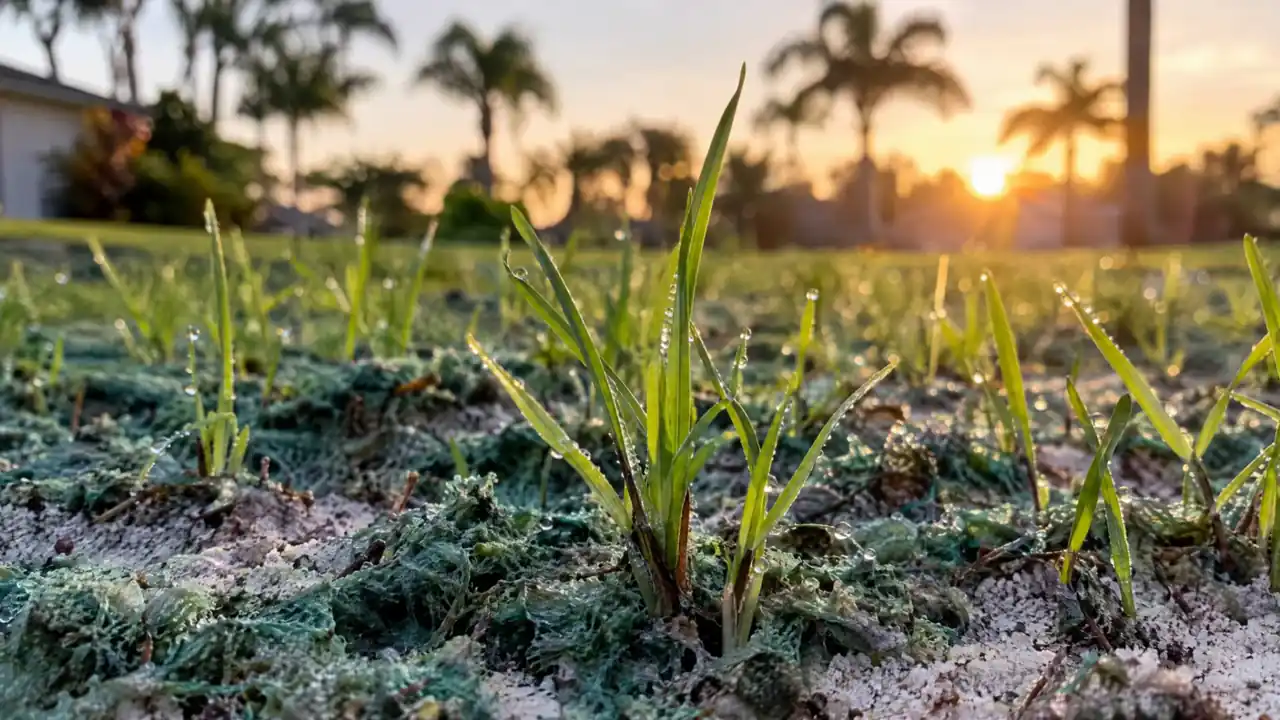
Hydroseed not growing, washing out or turning patchy?
Start with the pattern and the planting record before deciding how to repair the lawn.
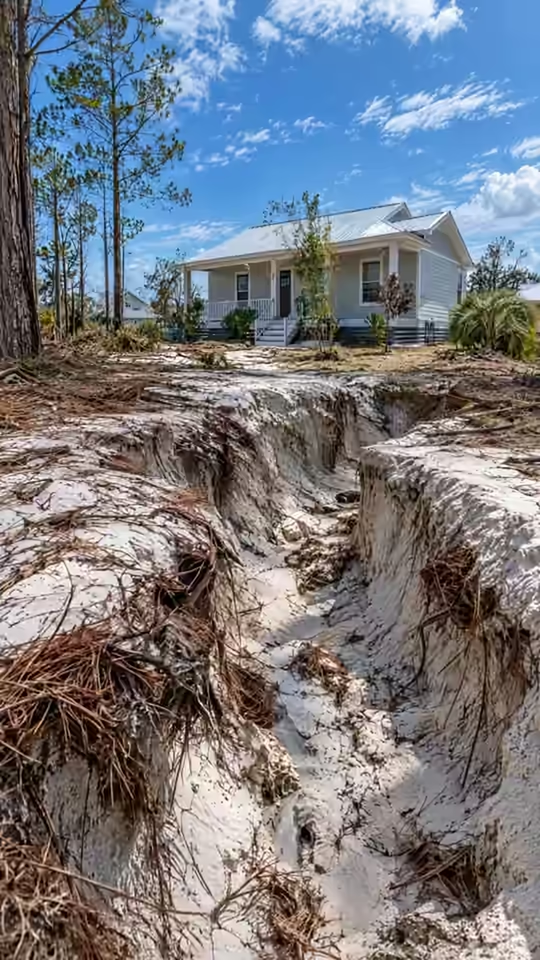
If hydroseed is not growing evenly, record the installation date, seed species, watering routine and recent weather, then photograph the affected areas. Compare dry edges, shaded ground and runoff paths. The cause determines the repair. Ask the installer to inspect before adding fertilizer, changing watering dramatically or paying for another application.
Separate slow germination from a failed installation
Find the seed species on the proposal or application record and ask what progress the installer expects under the actual conditions. The day the slurry is applied is the start of establishment, not the day a finished lawn is delivered. A photograph of another property is not a reliable deadline for yours.
Take photographs from the same positions and include a close view of the surface. Record whether there are new seedlings, isolated bare patches or no visible growth. Compare that record with the seasonal planting guide and the installer’s instructions.
| Observation | Useful evidence | Question to ask |
|---|---|---|
| Bare strip or corner | Photos and irrigation coverage | Is this receiving the intended moisture? |
| Channels after rain | Flow direction and sediment deposits | Does runoff need a different treatment? |
| No visible seedlings | Seed species, date and care record | What progress is expected for this mix? |
| Yellow or uneven growth | Timing and product history | Is a site visit or soil test needed? |
Use the shape of a bare patch as a clue
A strip beside paving, a low corner and a shaded patch may have different causes. Mark the problem on a simple sketch rather than treating the whole lawn as one failure. Check the irrigation coverage at the affected spot and note footprints, pet access or construction traffic.
Do not add more water everywhere because one edge is dry. UF/IFAS warns that both drying and excessive irrigation can harm seed establishment. Ask for an assessment of the seedbed, watering and grass suitability before deciding whether an isolated repair or a broader change is needed.
Document washout before covering it again
After rain, photograph channels, deposited sediment, exposed soil and the point where water entered the area. Make notes from a safe position after the storm has passed. Tell the installer whether the problem follows a downspout, driveway edge or a path across the slope.
A repeat application without dealing with the flow path may leave the same problem unresolved. A lawn repair and an erosion-control plan serve different needs. On pond banks and drainage features, ask for a site review before moving soil or changing the channel.
Do not diagnose yellow grass from color alone
Color alone does not establish a nutrient deficiency or identify a pest. Record when the change began, whether it is spreading, the recent watering pattern and any product already applied. Send clear close-up and wider photographs to the installer or local Extension office.
Avoid adding fertilizer or herbicide as a first guess. Keep the product label and application record if anything has already been used. Review the chosen species in the grass guide and ask whether soil testing or an in-person diagnosis is appropriate.
Agree on the repair and what happens next
Before authorizing reseeding, ask what caused the problem, what will change and which areas will be treated. Confirm whether preparation, drainage work or irrigation adjustment comes first. Request a written explanation of any warranty or callback coverage rather than assuming all repairs are included.
Keep the revised care instructions with the original proposal. Set a follow-up point based on the seed and conditions, and use dated photographs to compare progress. For a new assessment, send the project details; for routine care, start with watering and mowing.
Common questions about hydroseed not growing? pensacola troubleshooting
Short, sourced answers to what people ask us most. If your site has a wrinkle these do not cover, send it through the quote form below and we will talk it through with you.
Why is my hydroseed patchy?
Uneven moisture, disturbed ground, runoff, site conditions and seed establishment can produce different patterns. Photograph the pattern and ask the installer to identify the cause before applying a blanket treatment.
Does rain ruin hydroseed?
A rainfall event does not by itself prove failure. Inspect for moved seed, exposed ground and sediment after the weather is safe, and ask the installer whether any damaged areas need repair.
Should I reseed if nothing is growing?
Check the species, planting date, weather and watering record first. Ask the installer for an inspection and an expected germination range for the actual mix before buying another application.
Is the green spray color proof that grass is growing?
No. The appearance of the applied material is different from living grass cover. Look for seedlings and developing coverage, and compare dated photographs of the same area.
Keep reading
Related guides and services for sandy soil, heavy rain and the grasses that hold on the Gulf Coast, each written for Escambia and Santa Rosa county sites.
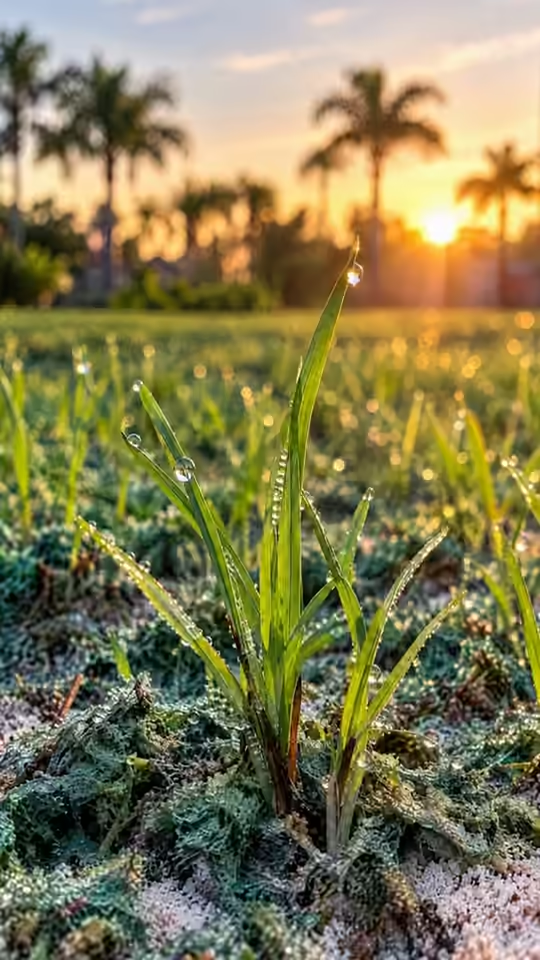
Hydroseed aftercare: watering and mowing
Light, frequent water for two weeks, then a slow taper to deep, infrequent irrigation. The details below are tuned for fast-draining local soil.
OpenWhen to hydroseed: seeding calendar
April through early July is prime time for warm-season grass. The rest of the year calls for different seed, more protection or temporary cover.
Open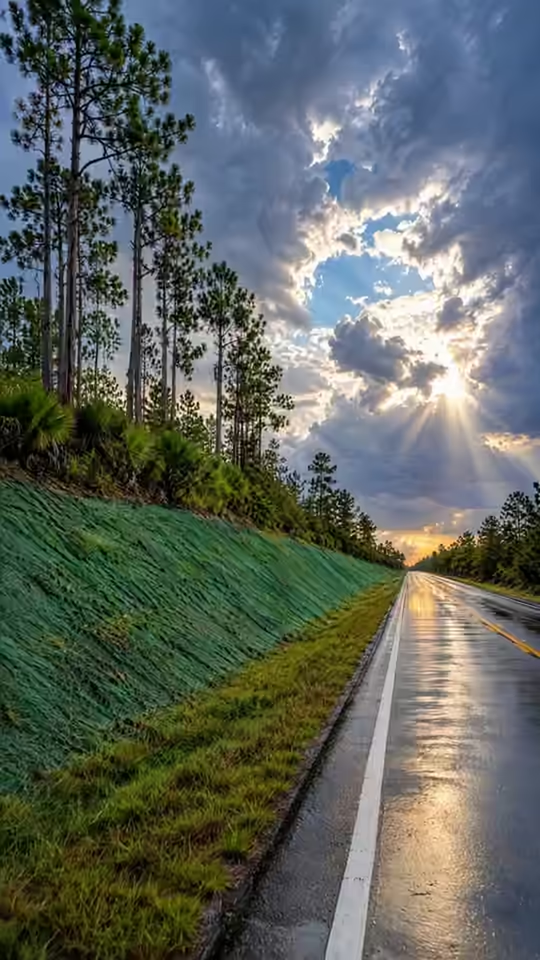
Erosion Control
Hydromulch, bonded fiber matrix, blankets and temporary grass for slopes, ditches and bare ground in one of the rainiest cities in the country.
Open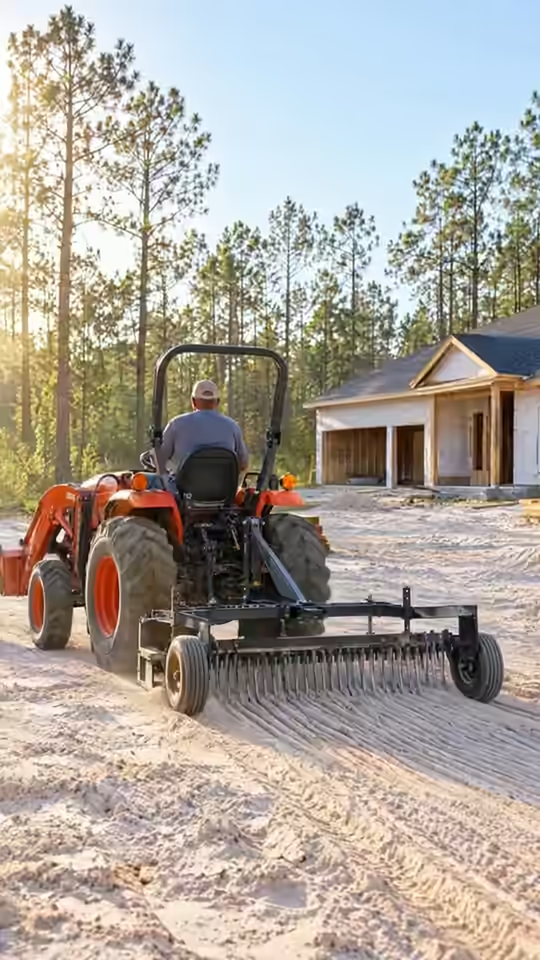
How to prepare for hydroseeding
A practical checklist for the work that happens before the spray truck arrives.
OpenSources
Facts on this page come from public sources, mostly UF/IFAS Extension, the Florida Department of Environmental Protection, FDOT and NOAA. We recheck them whenever we update the page.

Tell us about the ground
Send the address and what you are trying to grow or hold in place. We look at the site, the soil and the slope, then quote the mix and the method that fit it.