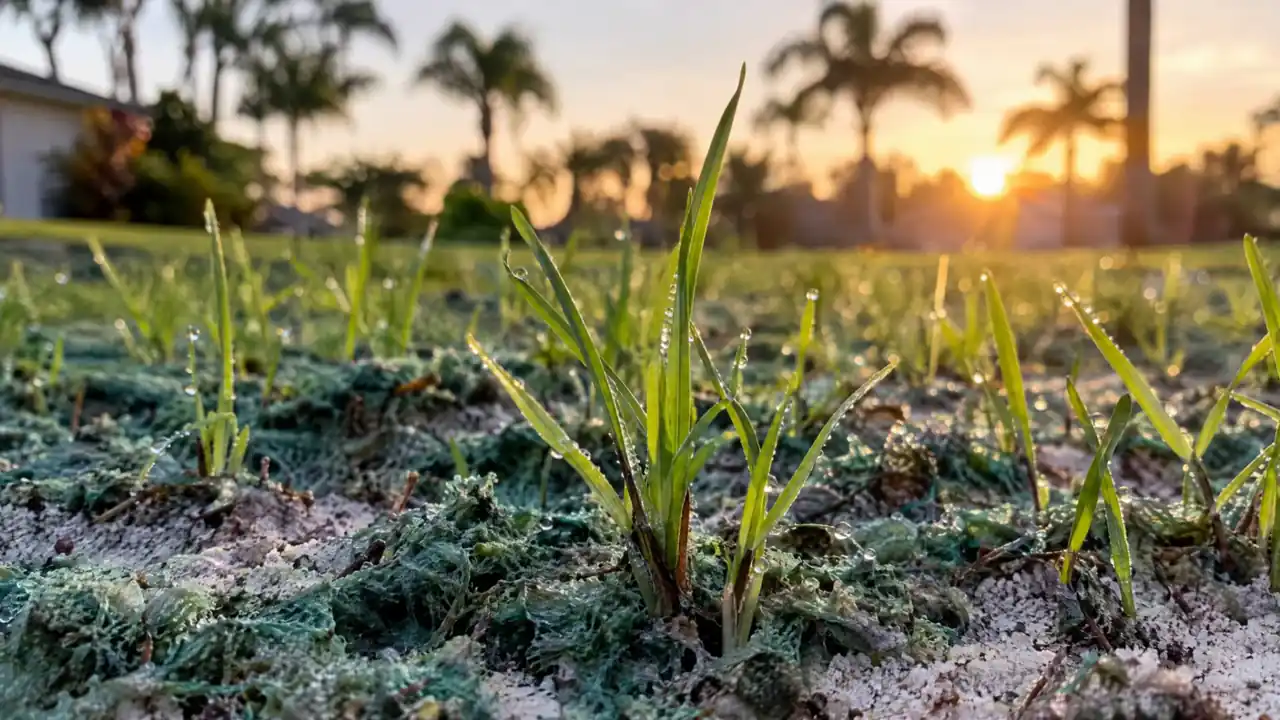
When to hydroseed in Pensacola
April through early July is prime time for warm-season grass. The rest of the year calls for different seed, more protection or temporary cover.

The best time to hydroseed permanent grass in Pensacola is April through early July. Bermuda can start in mid-March once soil reaches 65 to 70°F. The UF/FDOT roadside guide advises against seeding most warm-season grasses after early July, and UF/IFAS calls fall centipede seeding undesirable. From October to early November, annual ryegrass gives temporary cover until spring.
- Prime window
- April to early July
- Optimum average air temp
- 68°F or warmer (UF/FDOT)
- Driest month
- May, 3.90 in
- Wettest month
- July, 7.89 in
- Hurricane season peak
- Around September 10
Why spring and early summer win
Warm-season grasses germinate and root fastest in warm soil with long days ahead. The UF/FDOT roadside guide gives an average temperature of at least 68°F as optimum and says "seeding should not be performed later than early July for most warm-season grasses." UF/IFAS recommends seeding centipede from April to July and planting bahia in spring or early summer in north Florida.
Seeding in April or May also buys runway. UF/IFAS says centipede can take up to 2 to 3 weeks to germinate and another 6 to 8 weeks to establish, so an April seeding is rooted well before the peak of storm season. A late-July seeding is still juvenile when September storms arrive. By August, a lawn seeded in April has had four months of the warmest weather of the year to root, and that root mass is what holds sand in place under tropical rain.
Bermuda can start earliest. Once soil at seed depth holds around 65 to 70°F, usually from mid-March, it can go in, often with browntop millet as a nurse crop. Pick the grass first with our Pensacola grass guide.
| Window | What to seed | Watch for |
|---|---|---|
| Mid-March to April | Common bermuda once soil reaches 65 to 70°F; early bahia; browntop millet as a nurse crop | Cool nights can slow germination |
| April to early July (prime) | Bahia, centipede and common bermuda; browntop millet for quick cover | May is the driest month, so irrigation is essential |
| July to September | Permanent seeding is riskier; browntop millet, hydromulch or bonded fiber matrix | Peak rain and hurricane season; winter-kill risk for late seedlings |
| October to early November | Annual ryegrass for temporary cover; hydromulch for stabilization | Warm-season seeding is undesirable |
| November to February | Ryegrass, hydromulch, bonded fiber matrix or blankets; sod if a permanent lawn is needed now | Freeze risk from late November |
Pensacola rainfall, month by month
The Florida Climate Center's 1991 to 2020 normals for Pensacola total 68.31 inches a year. Monthly normals, in inches:
- January 5.03, February 4.77, March 5.25, April 5.52
- May 3.90, the driest month, right as spring seeding begins
- June 7.32, July 7.89, August 7.50, September 6.61, together about 29.3 inches
- October 4.70, November 4.42, December 5.40
Two lessons follow. In May, irrigation is essential; rain alone will not keep a seedbed moist on fast-draining sand. From June on, the risk flips to washout: on April 29, 2014, Pensacola recorded 15.55 inches in a single calendar day, per NWS Mobile. NWS Mobile estimated the roughly 20.47-inch two-day total at between a 1-in-100-year and 1-in-200-year event. Our aftercare guide covers watering through both.
Late summer: seed for the storm, not the calendar
Atlantic hurricane season runs June 1 to November 30 and peaks around September 10, according to NOAA. That peak overlaps the end of the seeding window, and bare soil in August and September is exposed to tropical rain.
From July through September, permanent seeding is riskier, and UF/IFAS warns that late seedlings can suffer winter-kill in north Florida. That does not mean leaving soil bare until spring.
The answer is protection: browntop millet as temporary cover, a heavier hydromulch, or bonded fiber matrix on slopes. After a storm, see storm damage restoration.
Bare soil does not wait for April
When a site cannot hold until spring, we stabilize it now with ryegrass, hydromulch or bonded fiber matrix, then seed permanent grass once the soil warms.
Fall and winter options
Permanent warm-season seeding is off the table in fall. UF/IFAS states that "fall seeding is undesirable" for centipede and that "in north Florida, planting young seedling grasses too late in the fall may result in winter-kill."
- October to early November: annual ryegrass, the cool-season temporary grass FDOT uses, gives green cover and holds soil through winter. UF/IFAS gives this as the north Florida overseeding window and lists 10 lb per 1,000 sq ft for overseeding lawns. It dies out in spring heat.
- November to February: ryegrass, hydromulch, bonded fiber matrix or blankets for temporary stabilization. Frost-date guides place Pensacola's first freeze around late November to early December. If a permanent lawn is needed now, sod is the practical route.
Dormant warm-season grass and freshly graded soil both leave ground open through winter rains, which average around 5 inches a month from December through March. That is when temporary cover earns its place.
Construction sites run on a different clock
Homeowners can wait for April. Permitted construction sites often cannot. Under Florida DEP's Construction Generic Permit, which covers sites disturbing 1 acre or more, stabilization must begin within 7 calendar days after construction activity temporarily or permanently stops on any part of the site, whatever the month.
Closing out the permit is a separate bar. Final stabilization requires a uniform perennial vegetative cover with a density of at least 70 percent on unpaved areas. Annual ryegrass and browntop millet are not perennial, so a site held with ryegrass in November still needs permanent grass seeded the following spring. We plan the temporary and permanent passes together, so the second one lands in the April to early July window. Our final stabilization page explains the requirements.
Common questions about when to hydroseed: seeding calendar
Short, sourced answers to what people ask us most. If your site has a wrinkle these do not cover, send it through the quote form below and we will talk it through with you.
What is the best month to hydroseed in Pensacola?
April and May are the safest months for bahia, centipede and bermuda. Soil is warm, storm season is still ahead, and the grass has months to root. Plan for irrigation, because May is Pensacola's driest month at 3.90 inches. The UF/FDOT guide advises finishing warm-season seeding by early July.
Can you hydroseed in the fall or winter in Pensacola?
Not for permanent warm-season grass. UF/IFAS calls fall centipede seeding undesirable and warns late seedlings risk winter-kill in north Florida. From October to early November, annual ryegrass gives temporary cover. Through winter, hydromulch, bonded fiber matrix or blankets can hold bare soil until spring seeding.
Can you hydroseed in the summer in Florida?
Early summer, yes; UF/IFAS seeds centipede through July. After early July, the UF/FDOT guide advises against seeding most warm-season grasses. Late summer brings Pensacola's heaviest rain, about 29 inches from June to September, plus hurricane season, so later work leans on browntop millet, heavier mulch or bonded fiber matrix.
What soil temperature does grass seed need?
Bermudagrass is generally seeded once soil reaches about 65 to 70°F, which in Pensacola usually arrives from mid-March. The UF/FDOT roadside guide gives an average air temperature of 68°F or warmer as optimum for seeding warm-season grasses. Bahia and centipede do best from April onward.
How does hurricane season affect hydroseeding?
Hurricane season runs June 1 to November 30 and peaks around September 10, per NOAA. Seeding in spring lets roots establish before peak storm season. Work done in late summer needs more protection, such as bonded fiber matrix or erosion blankets on slopes, and may need touch-up seeding after a major storm.
Is May a good month to hydroseed in Pensacola?
Yes for warm-season grass, with one condition. May is Pensacola's driest month, with a 1991 to 2020 normal of 3.90 inches, per the Florida Climate Center. Seed sown in May depends on irrigation two or three times a day for the first two weeks. With water, warm soil makes it one of the better months to seed.
Keep reading
Related guides and services for sandy soil, heavy rain and the grasses that hold on the Gulf Coast, each written for Escambia and Santa Rosa county sites.
Hydroseeding guides
Plan the project, choose grass and care for new growth.
Open
Best grass for Pensacola: hydroseeding grass guide
Seven turf grasses and two temporary covers, compared on the traits that matter in Escambia and Santa Rosa sand, salt and summer heat.
Open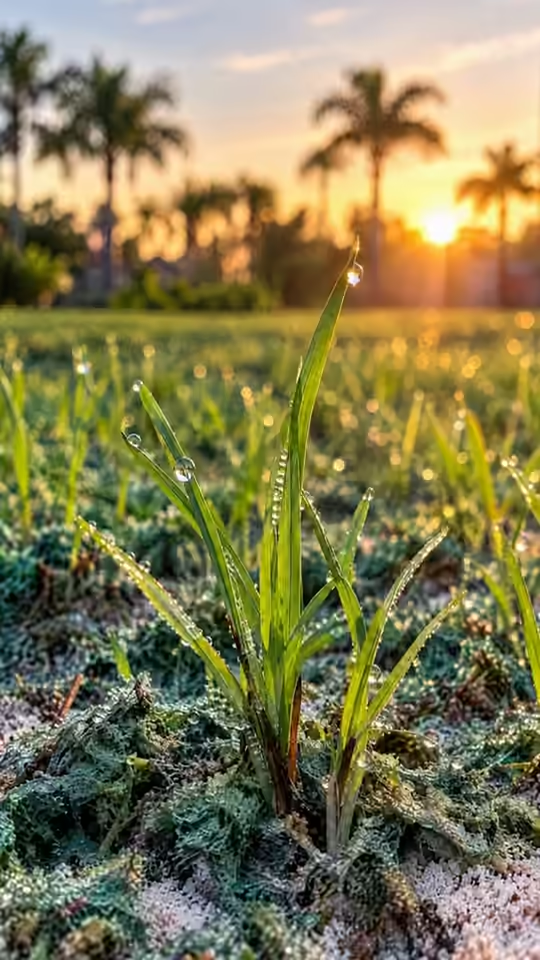
Hydroseed aftercare: watering and mowing
Light, frequent water for two weeks, then a slow taper to deep, infrequent irrigation. The details below are tuned for fast-draining local soil.
Open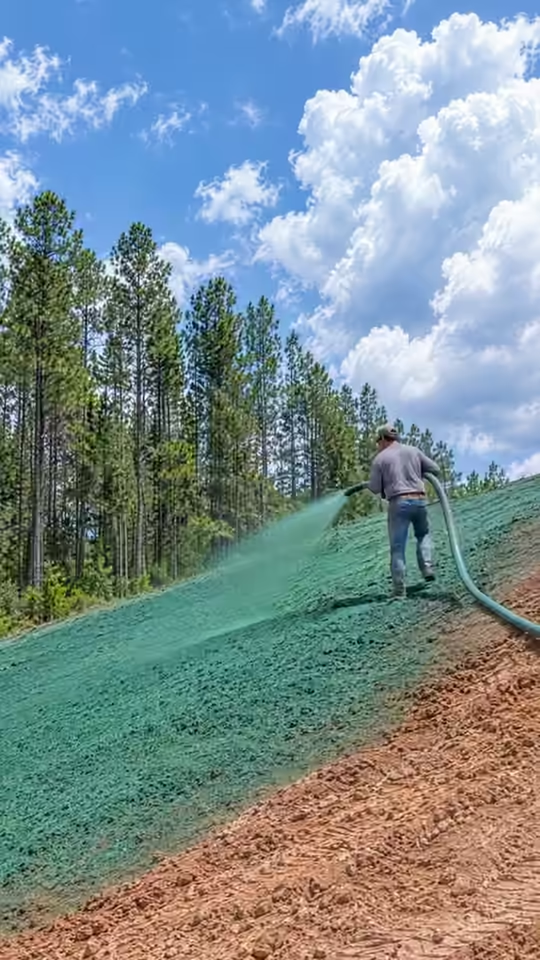
Bonded Fiber Matrix and Hydromulch
Sprayed erosion protection for slopes and bare ground: what BFM and hydromulch are, what FDOT requires of them, and when blankets are the better call.
Open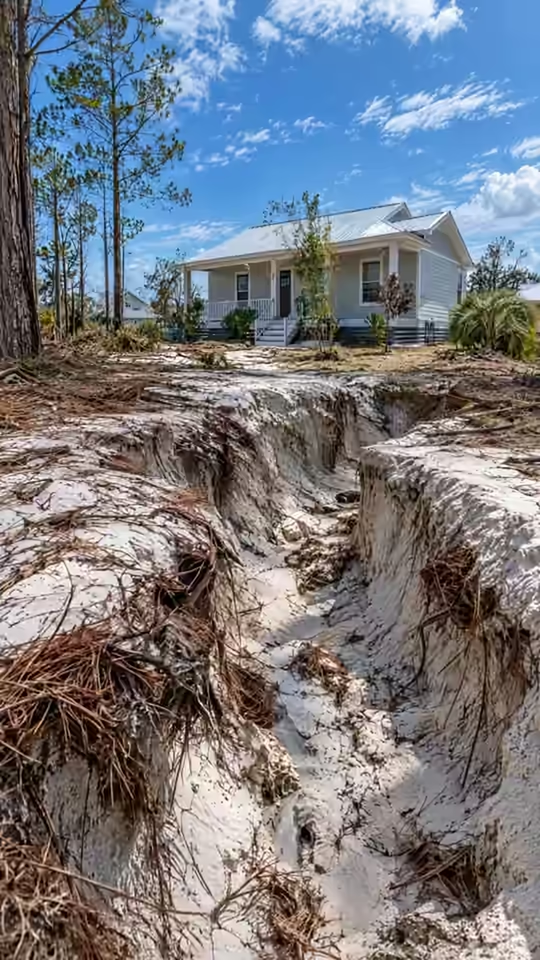
Storm Damage Lawn Restoration
After a hurricane or flash flood, we regrade washouts, cover bare sand before the next storm, and reseed permanent grass when the season allows.
Open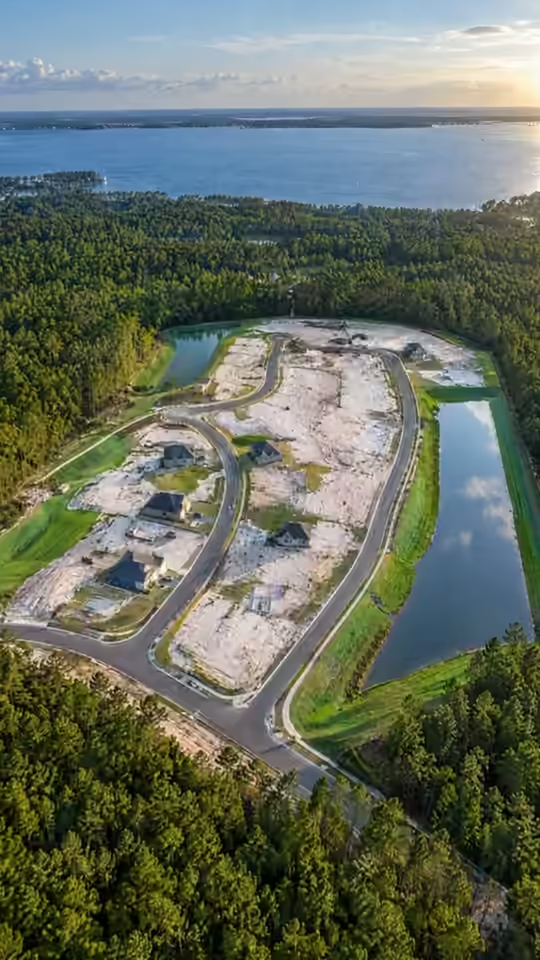
Final Stabilization and 70% Cover in Florida
Getting a permitted site to 70 percent uniform perennial cover so the Notice of Termination can be filed, with seed mixes timed to the season.
OpenSources
Facts on this page come from public sources, mostly UF/IFAS Extension, the Florida Department of Environmental Protection, FDOT and NOAA. We recheck them whenever we update the page.
- Florida Climate Center: Pensacola 1991-2020 Normals
- UF/FDOT, A Guide for Roadside Vegetation Management (2012)
- UF/IFAS EDIS LH009, Centipedegrass for Florida Lawns
- UF/IFAS EDIS LH013, Establishing Your Florida Lawn
- UF/IFAS ENH14, Overseeding Florida Lawns for Winter Color
- NOAA NESDIS: Atlantic hurricane season hits its peak
- NWS Mobile: April 29, 2014 flash flood
- Florida DEP NPDES Construction Generic Permit
Tell us about the ground
Send the address and what you are trying to grow or hold in place. We look at the site, the soil and the slope, then quote the mix and the method that fit it.