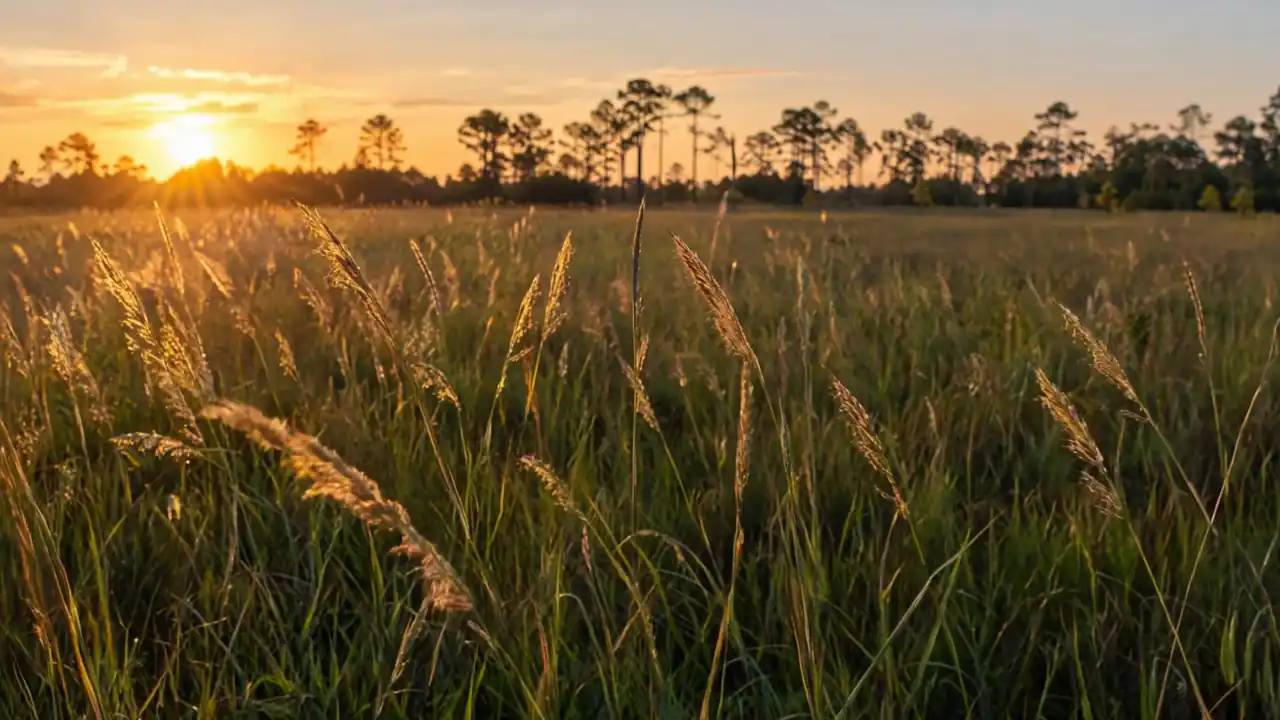
Pensacola bahiagrass: the grass named after the city
Found near the Pensacola docks and now planted across millions of Southeastern acres, it remains the toughest low-input grass for local sandy ground.
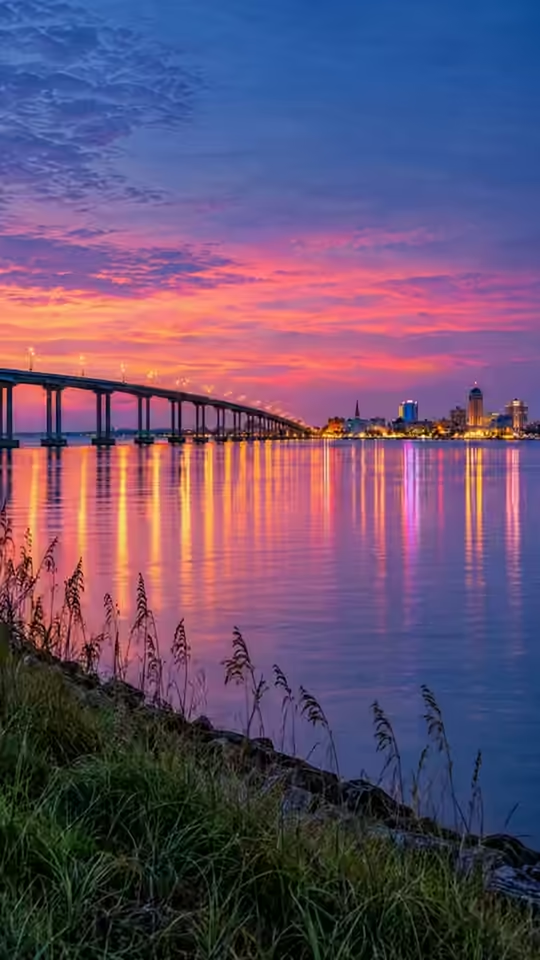
'Pensacola' bahiagrass was selected in Pensacola in 1935, per UF/IFAS, after Escambia County Extension agent E.H. "Ed" Finlayson found it growing in streets and vacant lots near the docks, likely carried in by ship ballast. It is drought tolerant, low-input and suited to acidic sand, and is the most widely grown bahiagrass today.
- Selected in Pensacola
- 1935, per UF/IFAS
- Southeast acreage (UF/IFAS, 2008)
- About 5 million acres
- Florida acreage (UF/IFAS, 2008)
- About 3 million acres
- Lawn seeding rate
- 5 to 10 lb per 1,000 sq ft
- Mowing height
- 3 to 4 inches
From the docks to five million acres
UF/IFAS states it directly: "'Pensacola' bahiagrass was selected in Pensacola, Florida, in 1935 and is the most widely grown bahiagrass today." The man behind it was E.H. "Ed" Finlayson, an Escambia County Extension agent who noticed a vigorous grass "growing in streets and vacant lots near Pensacola's docks," according to UGA Extension. It most likely arrived in ship ballast unloaded at the port.
The local find spread far beyond the waterfront. A 2008 UF/IFAS news release called it "the predominant pasture grass in the southeastern United States, covering 5 million acres, with 3 million acres in Florida alone." That release, which announced a new cultivar honoring Finlayson, dates his discovery to 1938; the UF/IFAS lawn publication gives 1935 as the selection year.
Few cities can point to a grass that carries their name onto pastures, highway shoulders and lawns across the Southeast.
Why FDOT plants it along Florida roads
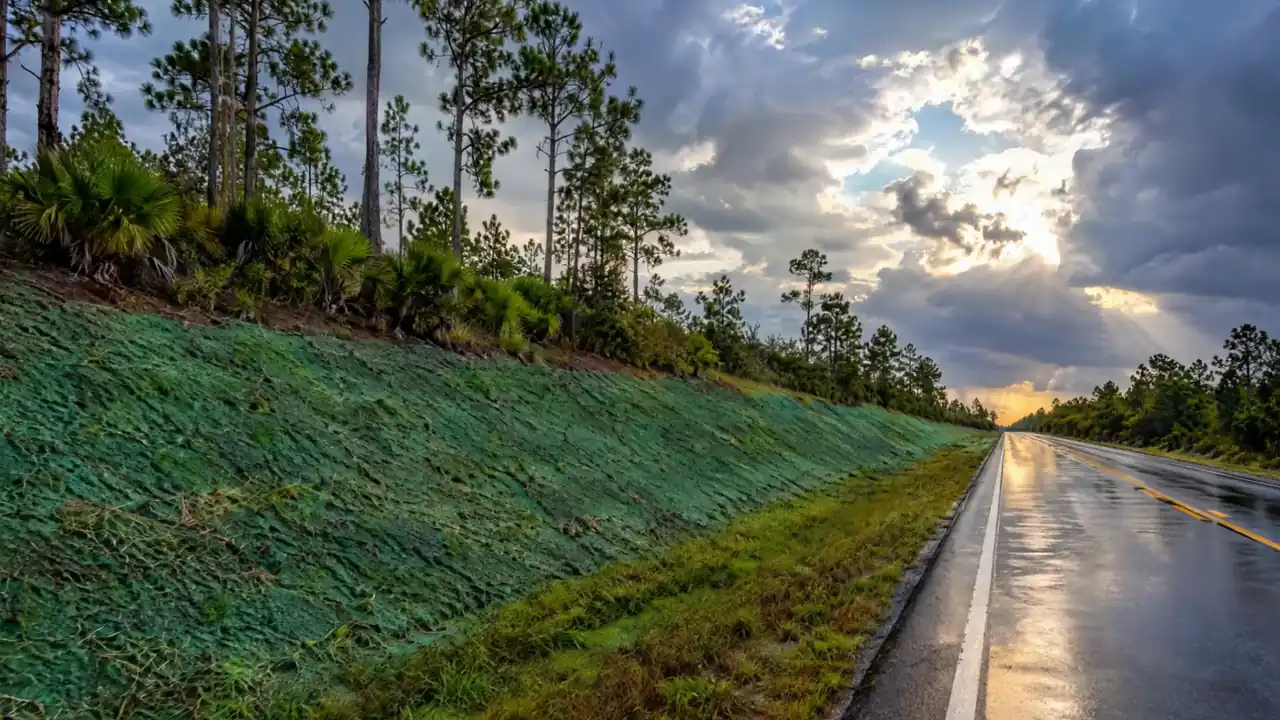
The UF/FDOT roadside guide says FDOT uses two bahia varieties, 'Argentine' and 'Pensacola'. Pensacola is "more resistant to drought, cold, and pests" and is "most frequently used as a roadside utility turf."
UF/IFAS credits it with an extensive root system and good tolerance of heat and cold. It produces more seed heads than 'Argentine', which suits it to roadsides where it reseeds itself.
Those same traits make it the default choice for large commercial pads, detention areas and pond banks, and a common component of commercial hydroseeding mixes.
Where it fits on Pensacola property
Pensacola bahia matches the ground it was found on. Inland soils such as Lakeland sand are excessively drained and naturally acidic, and bahia prefers acidic soil, needs little fertilizer and, per UF/IFAS, survives drought by going dormant. It is well suited to:
- Large residential lots and acreage where low upkeep matters more than a manicured look
- Roadside slopes, swales and pond banks
- New-construction lots that need durable cover at a modest cost
It is a poor fit for salt-exposed beachfront, heavy shade and heavy foot traffic. UF/IFAS rates its salt tolerance very poor and notes it "does not grow well in high-pH soils, such as those found in coastal areas." Above pH 7.0 it shows iron chlorosis. Compare alternatives in the Pensacola grass guide.
Drought sends it dormant, not dead
Bahiagrass rides out dry spells by going dormant, per UF/IFAS, then greens up when rain returns. On deep Pensacola sand, that matters more than color.
Hydroseeding Pensacola bahia
UF/IFAS recommends planting bahia in spring or early summer in north Florida, and the UF/FDOT guide advises against seeding most warm-season grasses later than early July. Our seeding calendar lays out the windows.
- Rate: UF/IFAS lists 5 to 10 lb of bahia seed per 1,000 sq ft for lawns.
- Seed: UF/IFAS notes that "bahiagrass seed germinates slowly and takes longer to form a uniform turf cover," and recommends scarified seed when available.
- Nurse crop: spring and summer mixes often pair bahia with common bermuda and a light rate of browntop millet for quick cover; fall mixes pair it with annual ryegrass.
Because germination is slow, the first weeks of watering matter more for bahia than for faster grasses.
Large sites and roadside-style mixes
On acreage, rates are set for the site rather than by the lawn standard. The UF/FDOT roadside guide targets about 13.4 seedlings per square foot for an acceptable stand and lists bahia among its permanent roadside grasses, often paired with a temporary grass. In spring and summer that partner is browntop millet, seeded light so it does not shade out the bahia; in fall and winter it is annual ryegrass.
FDOT judges the result strictly. Its Section 570 calls turf "established" only when roots hold, no bare spot exceeds 1 sq ft and no more than 1 percent of any 1,000 sq ft is bare. That is the standard we plan large bahia jobs against.
Living with the drawbacks
Bahia is honest grass with known faults. UF/IFAS lists tall seed heads in summer, which call for regular mowing at 3 to 4 inches, and susceptibility to mole crickets. It also tolerates shade, traffic and salt water poorly.
For owners who accept a slightly coarser look, those trade-offs buy a lawn that asks for little water, little fertilizer and little attention once established. Our hydroseed aftercare guide covers the first months.
Common questions about pensacola bahiagrass: history, seeding and care
Short, sourced answers to what people ask us most. If your site has a wrinkle these do not cover, send it through the quote form below and we will talk it through with you.
Why is it called Pensacola bahiagrass?
Because it was found and selected in Pensacola. UF/IFAS dates the selection to 1935. Escambia County Extension agent E.H. Finlayson found it growing in streets and vacant lots near the Pensacola docks, where it likely arrived in ship ballast. According to UF/IFAS, it now covers about 5 million acres in the Southeast.
Is Pensacola bahia a good lawn grass?
It is a good low-input lawn grass for sunny, inland lots on acidic sand. UF/IFAS rates its drought tolerance excellent, and it needs little fertilizer. The trade-offs are tall summer seed heads, a coarser texture, mole cricket problems and poor tolerance of shade, traffic and salt, so it suits large lots better than formal front yards.
How long does bahia seed take to come up?
UF/IFAS describes bahia seed as slow to germinate and slow to form a uniform cover, and recommends scarified seed to speed it up. Expect it to lag behind bermuda. Seeding between April and early July, keeping the surface moist for the first two weeks, gives it the best start in Pensacola.
What is the difference between Pensacola and Argentine bahiagrass?
Both are used by FDOT. Per the UF/FDOT roadside guide, Pensacola is more resistant to drought, cold and pests and is the variety most often used as roadside utility turf. UF/IFAS notes Pensacola produces more seed heads than Argentine, which helps on roadsides but means more mowing in a home lawn.
Will bahiagrass grow at Pensacola Beach or Perdido Key?
It is a poor choice there. UF/IFAS rates bahia's salt tolerance very poor and says it does not grow well in high-pH soils such as those in coastal areas. For seeded coastal utility areas, bermudagrass handles sandy, saline soil. For coastal home lawns, UF/IFAS recommends sodded St. Augustine or zoysia.
How much bahia seed do I need?
UF/IFAS lists 5 to 10 lb of bahia seed per 1,000 sq ft for lawns, so a 10,000 sq ft yard needs roughly 50 to 100 lb. Use scarified seed when available, since UF/IFAS notes bahia germinates slowly. Roadside and pasture sites are seeded at different, area-based rates suited to the job.
Keep reading
Related guides and services for sandy soil, heavy rain and the grasses that hold on the Gulf Coast, each written for Escambia and Santa Rosa county sites.
Hydroseeding guides
Plan the project, choose grass and care for new growth.
Open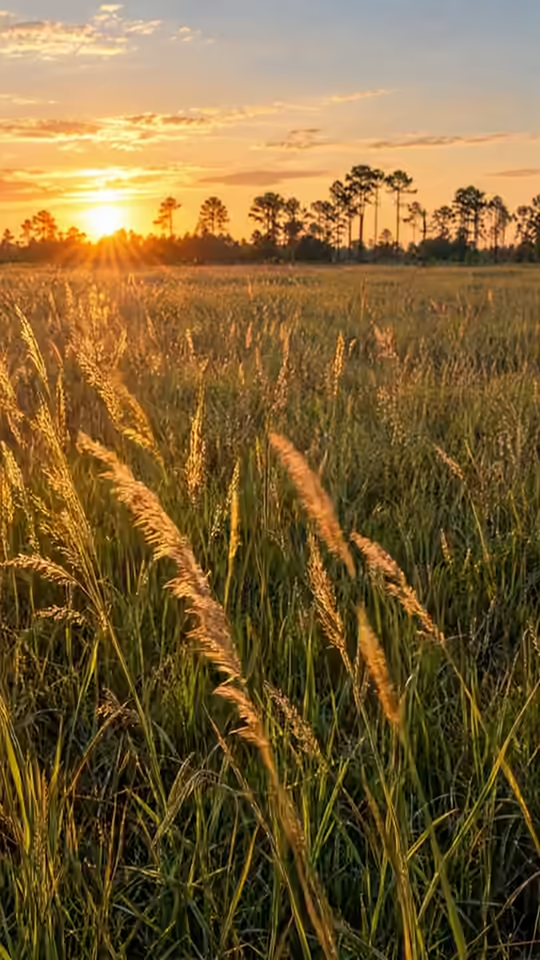
Best grass for Pensacola: hydroseeding grass guide
Seven turf grasses and two temporary covers, compared on the traits that matter in Escambia and Santa Rosa sand, salt and summer heat.
Open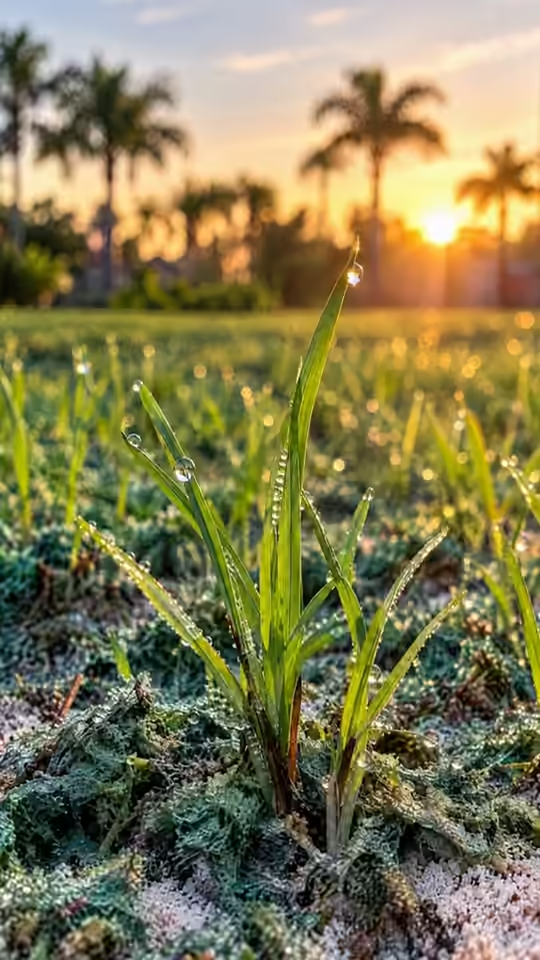
When to hydroseed: seeding calendar
April through early July is prime time for warm-season grass. The rest of the year calls for different seed, more protection or temporary cover.
Open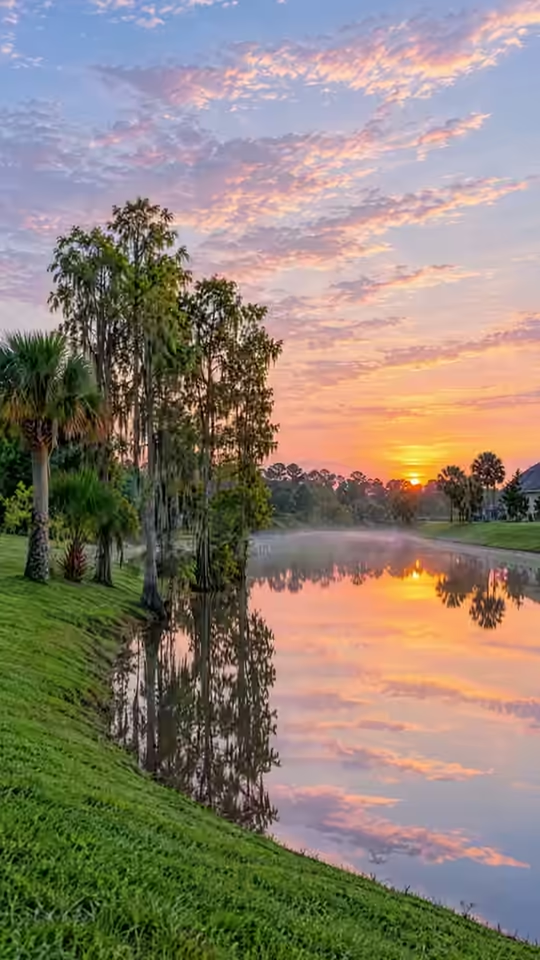
Pond Bank and Retention Pond Hydroseeding
Retention and detention pond banks, roadside ditches and swales, regraded where needed and seeded with grass that fits wet toes and dry crests.
Open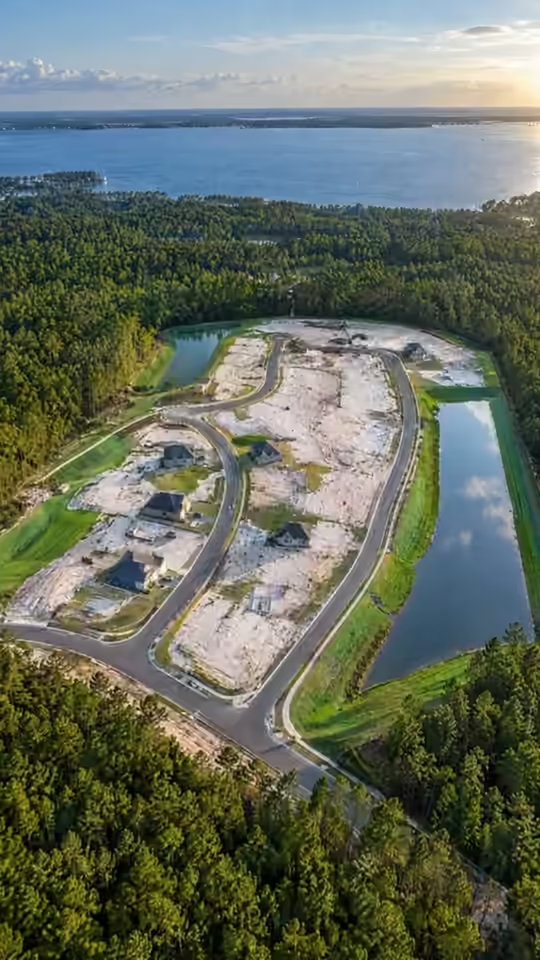
Commercial Hydroseeding and NW Florida
Subdivisions, commercial pads, HOA common areas, solar fields and right-of-way, with the planting scope coordinated around site conditions, access and the project schedule.
OpenHydroseed aftercare: watering and mowing
Light, frequent water for two weeks, then a slow taper to deep, infrequent irrigation. The details below are tuned for fast-draining local soil.
OpenSources
Facts on this page come from public sources, mostly UF/IFAS Extension, the Florida Department of Environmental Protection, FDOT and NOAA. We recheck them whenever we update the page.
- UF/IFAS ENH6, Bahiagrass for Florida Lawns
- UF/IFAS EDIS LH006, Bahiagrass for Florida Lawns
- UGA Extension B1362, The Management and Use of Bahiagrass
- UF/IFAS News (2008): New bahiagrass cultivar honoring Edwin Hall Finlayson
- UF/FDOT, A Guide for Roadside Vegetation Management (2012)
- FDOT Standard Specifications Section 570, Performance Turf
- UF/IFAS EDIS LH005, Selecting a Turfgrass for Florida Lawns
- UF/IFAS EDIS LH013, Establishing Your Florida Lawn
Tell us about the ground
Send the address and what you are trying to grow or hold in place. We look at the site, the soil and the slope, then quote the mix and the method that fit it.