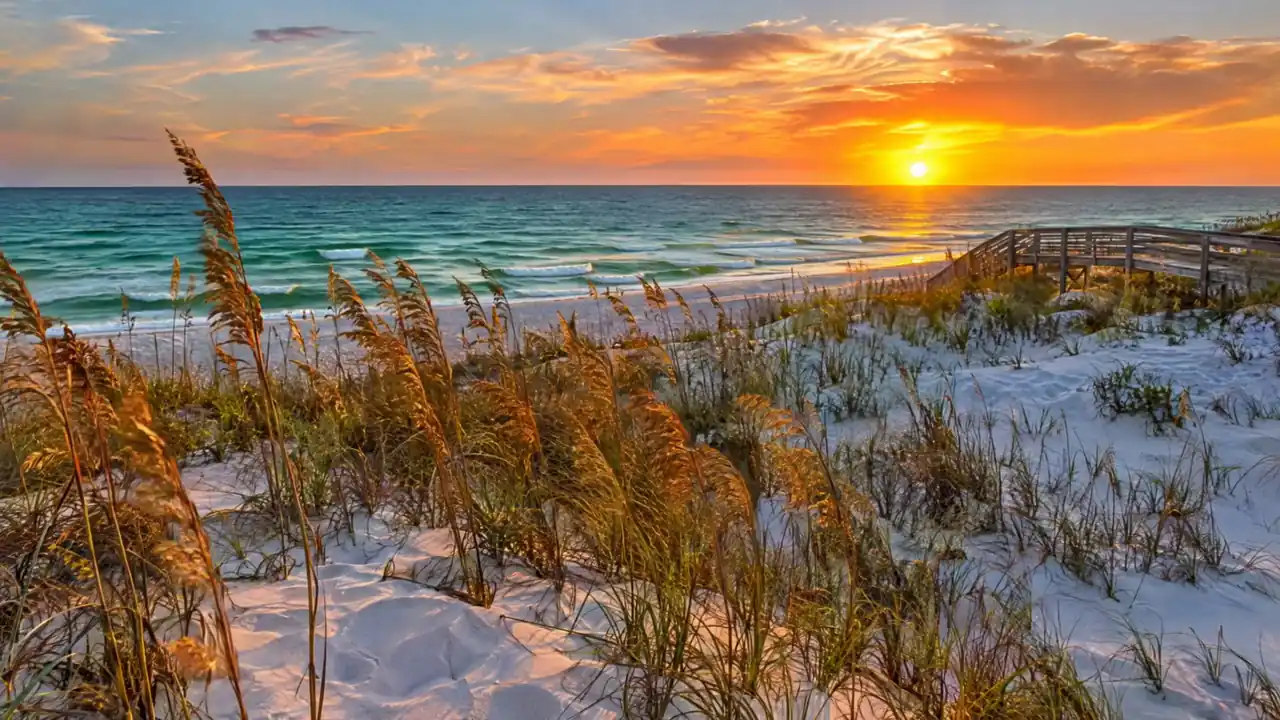
Hydroseeding on Pensacola Beach
Santa Rosa Island is sand, salt and wind. Turf has a place behind the dunes, native plants have the dunes themselves, and knowing the line between them is the job.
Hydroseeding on Pensacola Beach, FL is limited to ground landward of the dunes: yards, swales and utility areas, usually seeded with salt-tolerant bermuda. Lawns are normally St. Augustine or zoysia sod. Dunes are not turf. Planting seaward of the Coastal Construction Control Line may need a Florida DEP permit and uses native plants such as sea oats.
- County
- Escambia
- Setting
- Santa Rosa Island barrier island
- Coastal soils
- Corolla, Newhan, Duckston sands
- Best seeded grass
- Common bermuda
- Dune rule
- Native plants; CCCL permit may apply
Living on a barrier island
Pensacola Beach is an unincorporated community on Santa Rosa Island, a barrier island in Escambia County reached by the Bob Sikes Bridge. The soil survey maps the coastal ground here as Corolla, Newhan and Duckston sands, Beaches, and Corolla-Urban land complex. These are clean quartz sands with almost no organic matter, salt in the air and, after storms, salt in the ground.
That makes the usual inland advice wrong. UF/IFAS warns that bahiagrass does not grow well in the high-pH soils found in coastal areas and rates it very poor for salt tolerance. Centipede is rated poor. Neither belongs on the island. Our sandy soil guide explains why water and nutrients move so fast through this ground.
Dunes are not lawns
Florida DEP's dune planting recommendations call for native species such as sea oats, bitter panicum and railroad vine, and planting seaward of the Coastal Construction Control Line can require a DEP permit. UF research done with Santa Rosa Sea Grant and Escambia Extension favors composite native plantings over sea oats alone.
We do not spray turf mixes on dunes. What we can do is stabilize disturbed ground landward of the dune: the yard behind a rebuilt home, the swale along a driveway, the shoulder of a parking area. If you are restoring the dune itself, start with DEP and a native plant specialist.
The line between dune and yard is not always obvious after a storm reshapes the island. Before any work near the beach, confirm where the Coastal Construction Control Line falls on your parcel and whether any planting or grading there needs a permit. We will not spray until that is settled.
Bermuda for the ground behind the dune
Common bermudagrass is rated good for salt tolerance and excellent for drought by UF/IFAS, and the UF/FDOT roadside guide recommends it for sandy, saline soils. It can be seeded, which makes it the one practical hydroseeding choice on the island.
For the lawn people see from the street, UF/IFAS names St. Augustine and zoysia as the best coastal choices, and St. Augustine is planted with sod or plugs. Our St. Augustine page explains why anyone offering to hydroseed it should be avoided.
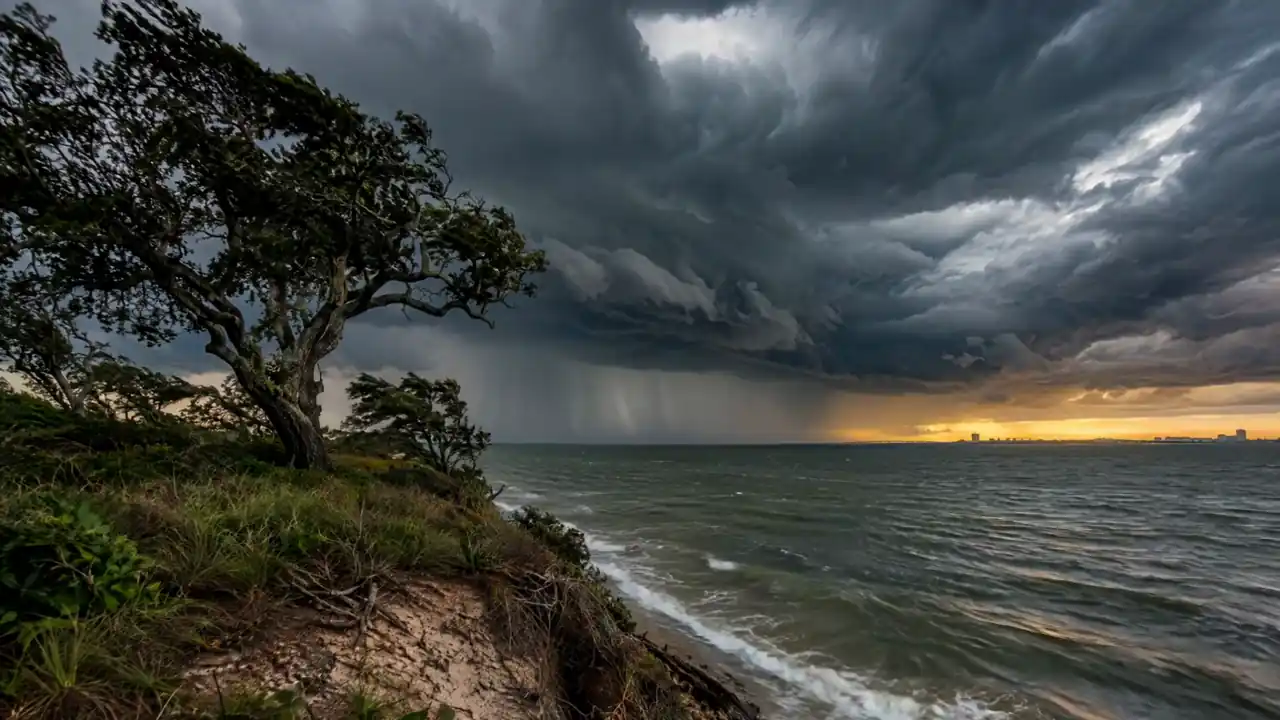
Behind the dune, not on it
Turf holds yards and swales. Sea oats and native grasses hold dunes. Keeping each where it belongs protects the island and your permit.
After the storm passes
Hurricane Ivan destroyed more than 650 homes on Pensacola Beach in 2004. Hurricane Sally in 2020 brought heavy rain and surge, and DEP reported that 292 major structures in the Perdido Key and Pensacola Beach coastal building zone took major damage. Recovery on the island usually means removing overwash sand, regrading, and reestablishing cover before the next season. Salt left in the soil after surge can also burn new seedlings, so a freshwater soak before seeding helps.
Fresh hydromulch with bermuda seed in late spring, or temporary cover in the off-season, keeps regraded sand from blowing and washing while the rebuild goes on. Our storm damage restoration page covers that sequence.
Common questions about hydroseeding in Pensacola Beach
Short, sourced answers to what people ask us most. If your site has a wrinkle these do not cover, send it through the quote form below and we will talk it through with you.
Can you hydroseed the dunes on Pensacola Beach?
Not with turf. Dunes are restored with native plants such as sea oats, bitter panicum and railroad vine, and planting seaward of the Coastal Construction Control Line may need a Florida DEP permit. We stabilize ground landward of the dune, such as yards, swales and parking edges.
What grass can be hydroseeded on Santa Rosa Island?
Common bermudagrass. It tolerates salt and drought and can be grown from seed, which is why the UF/FDOT roadside guide recommends it for sandy, saline soils. Bahia and centipede tolerate salt poorly and are not a good fit on the island. For a finished lawn near the house, St. Augustine or zoysia sod is the usual choice, with bermuda seeded around it.
Can I water a new beach lawn with saltwater?
No. UF/IFAS notes that even salt-tolerant grasses cannot be irrigated with saltwater. New hydroseed on beach sand needs frequent, light freshwater irrigation for roughly the first two weeks, then deeper, less frequent watering as roots develop.
How soon after a hurricane can a beach yard be reseeded?
Once overwash sand is cleared and the grade is set. In warm months bermuda can be seeded right away. In fall and winter, temporary cover or a bonded mulch holds the sand until spring, when permanent grass can be sown.
Why not plant bahia or centipede on Pensacola Beach?
UF/IFAS rates bahiagrass very poor and centipede poor for salt tolerance, and notes that bahia struggles in the higher-pH soils typical of coastal areas. Inland and coastal sites can differ substantially; assess salt exposure and soil conditions before selecting either grass.
Keep reading
Related guides and services for sandy soil, heavy rain and the grasses that hold on the Gulf Coast, each written for Escambia and Santa Rosa county sites.
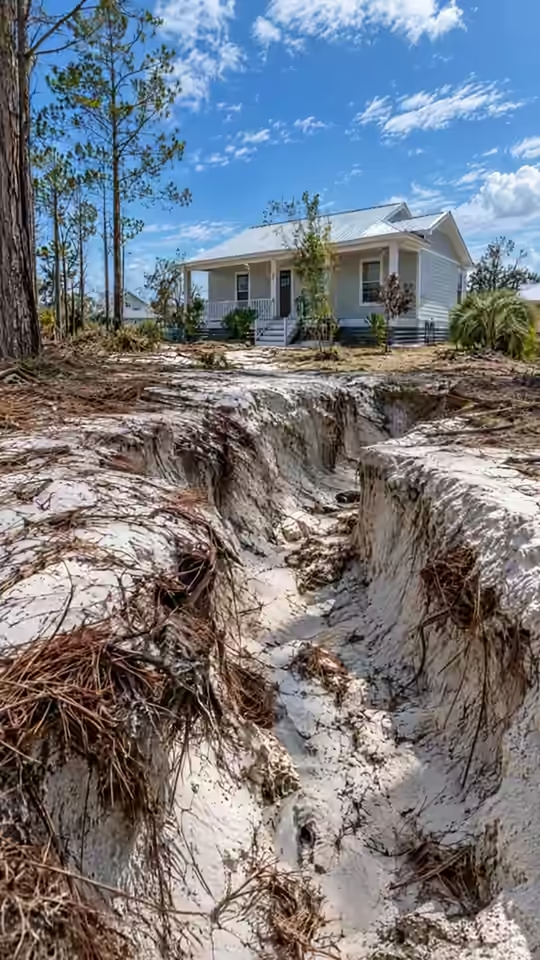
Storm Damage Lawn Restoration
After a hurricane or flash flood, we regrade washouts, cover bare sand before the next storm, and reseed permanent grass when the season allows.
Open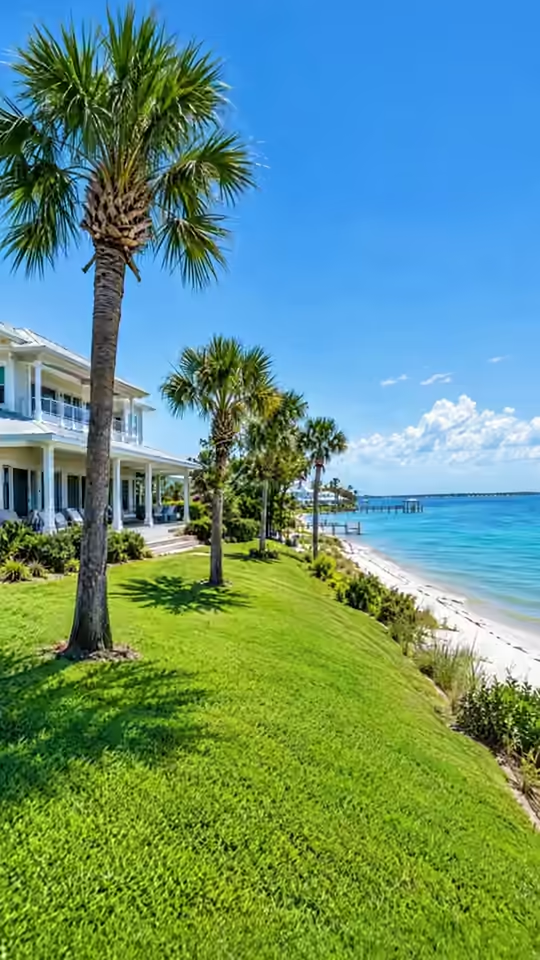
Can you hydroseed St. Augustine grass? The science
No. The seed is not commercially available, and seedlings die in testing. Here is the UF/IFAS science and the realistic options for a Pensacola lawn.
Open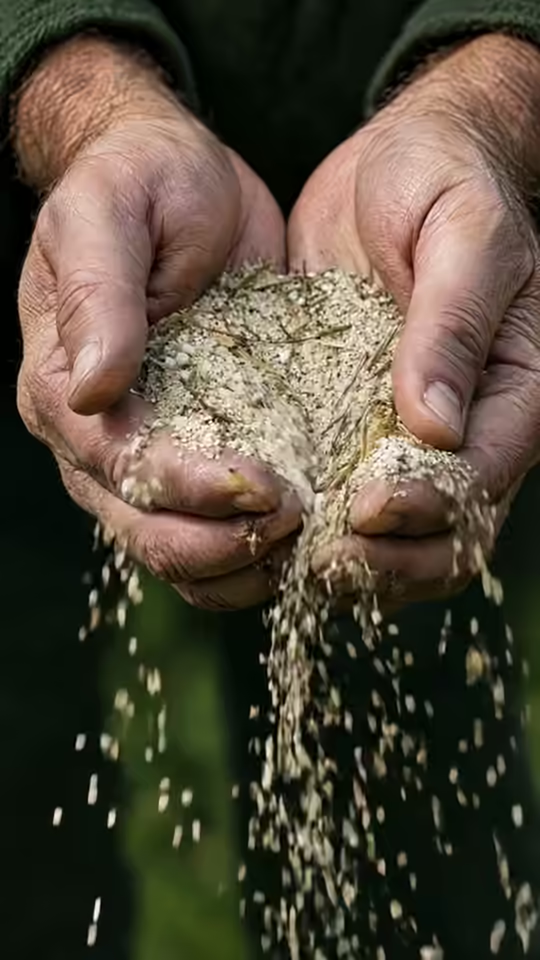
Does hydroseeding work in sandy soil? Pensacola guide
Yes, when moisture and pH are managed. Local sands drain fast and hold little water or nutrient, so prep and early watering carry extra weight.
Open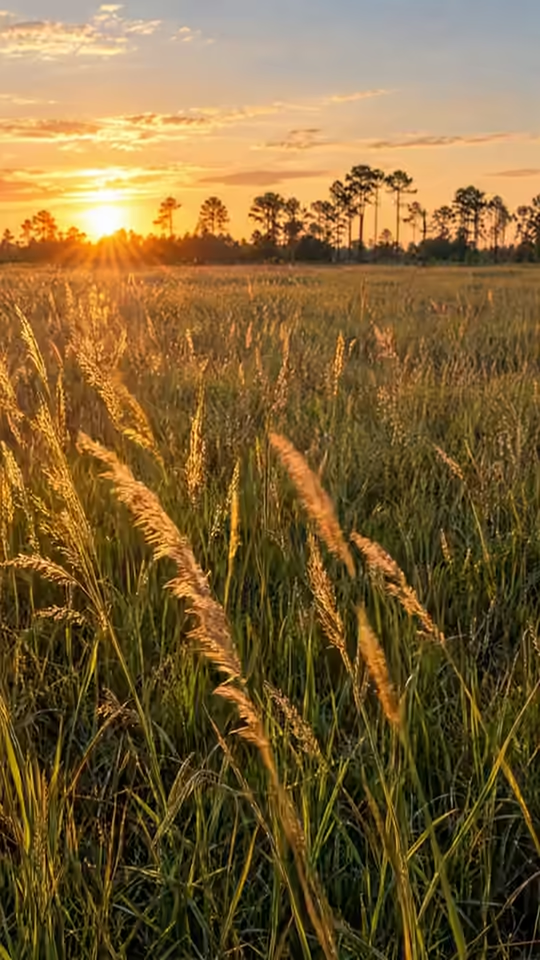
Best grass for Pensacola: hydroseeding grass guide
Seven turf grasses and two temporary covers, compared on the traits that matter in Escambia and Santa Rosa sand, salt and summer heat.
Open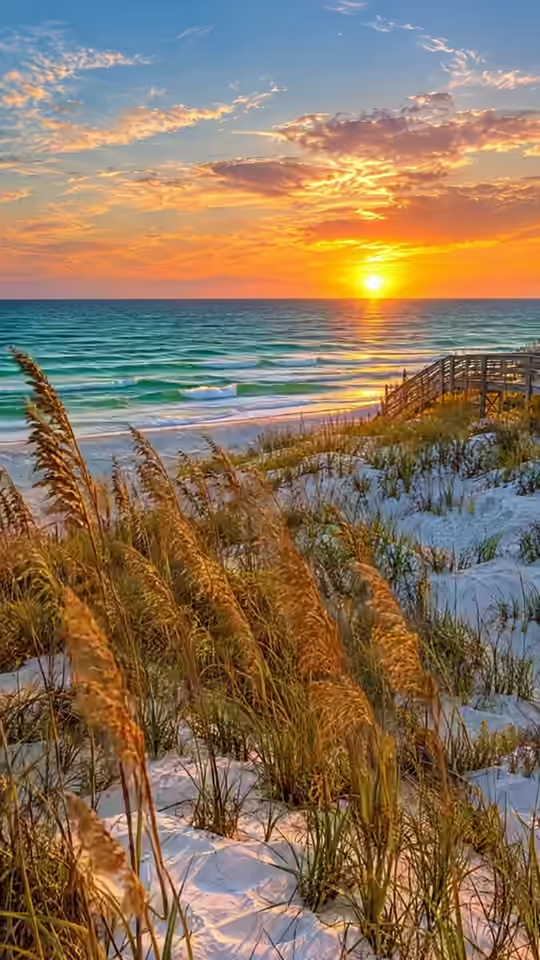
Perdido Key
A narrow island where most of the land is protected, the sand is pure quartz and the water on both sides is worth keeping clean. Small footprints, careful work.
OpenSources
Facts on this page come from public sources, mostly UF/IFAS Extension, the Florida Department of Environmental Protection, FDOT and NOAA. We recheck them whenever we update the page.
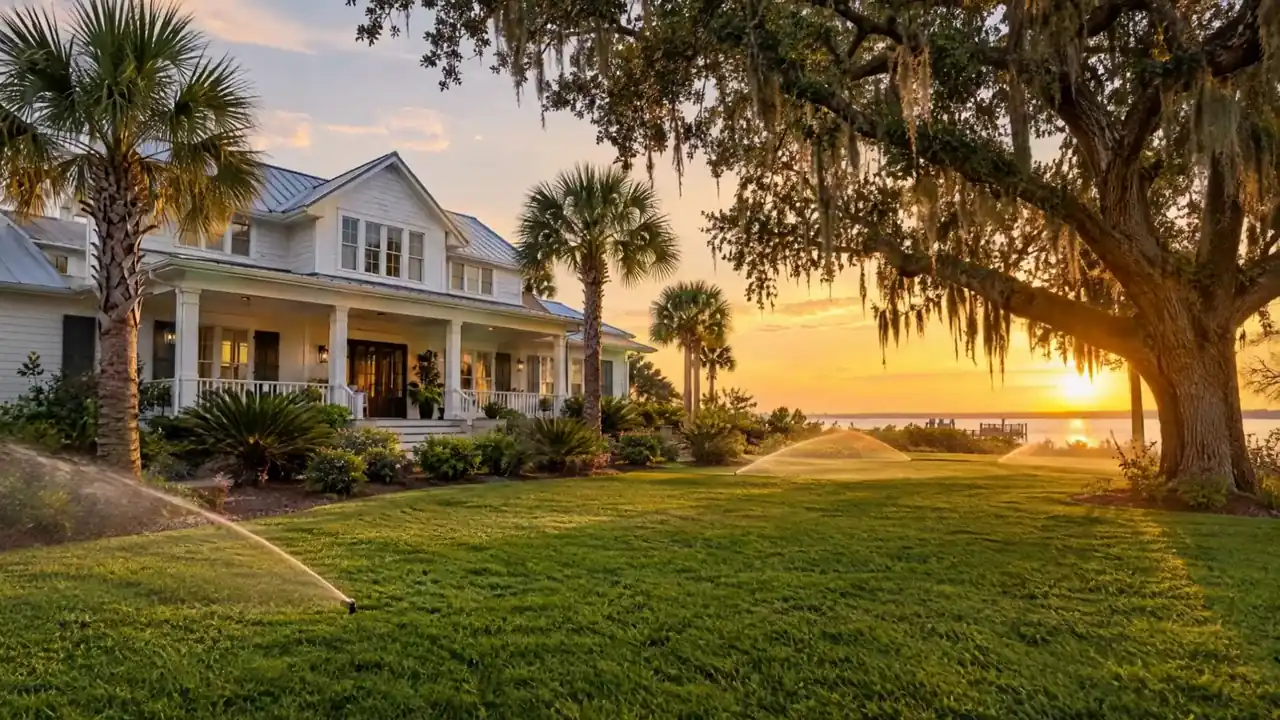
Tell us about the ground
Send the address and what you are trying to grow or hold in place. We look at the site, the soil and the slope, then quote the mix and the method that fit it.